
Cabinet Towel Racks: Specify the Door Interface
Specify a cabinet towel rack with the intended door context, the proposed hook profile and named clearance references. Ask for a dimensioned response and an identified sample of that arrangement. Overall rack length and a catalogue kitchen scene do not establish door compatibility, closing clearance or performance on a different cabinet.
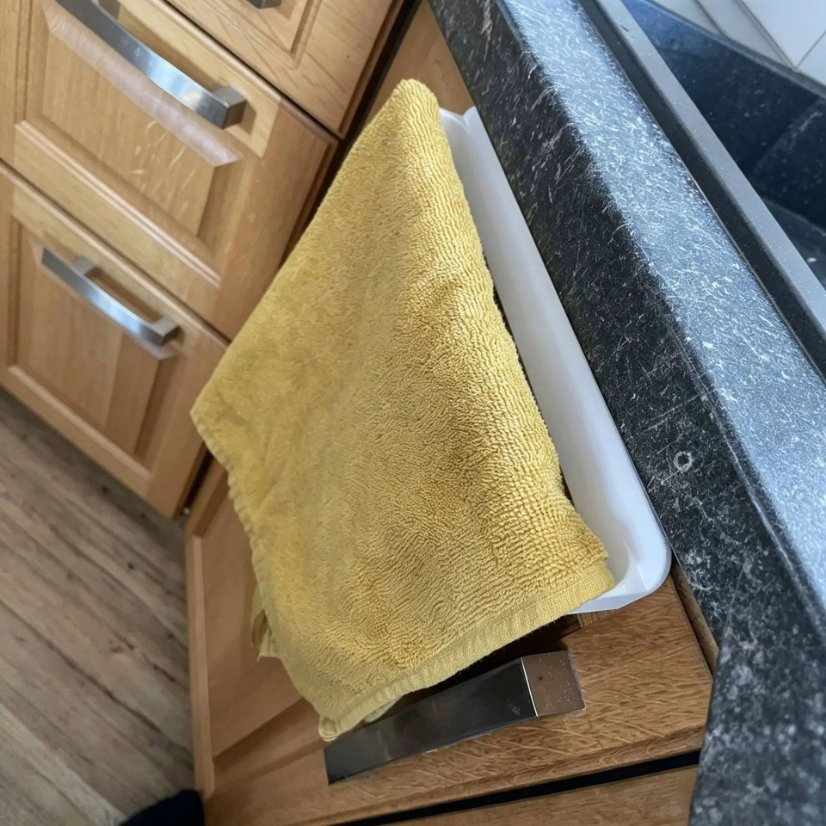
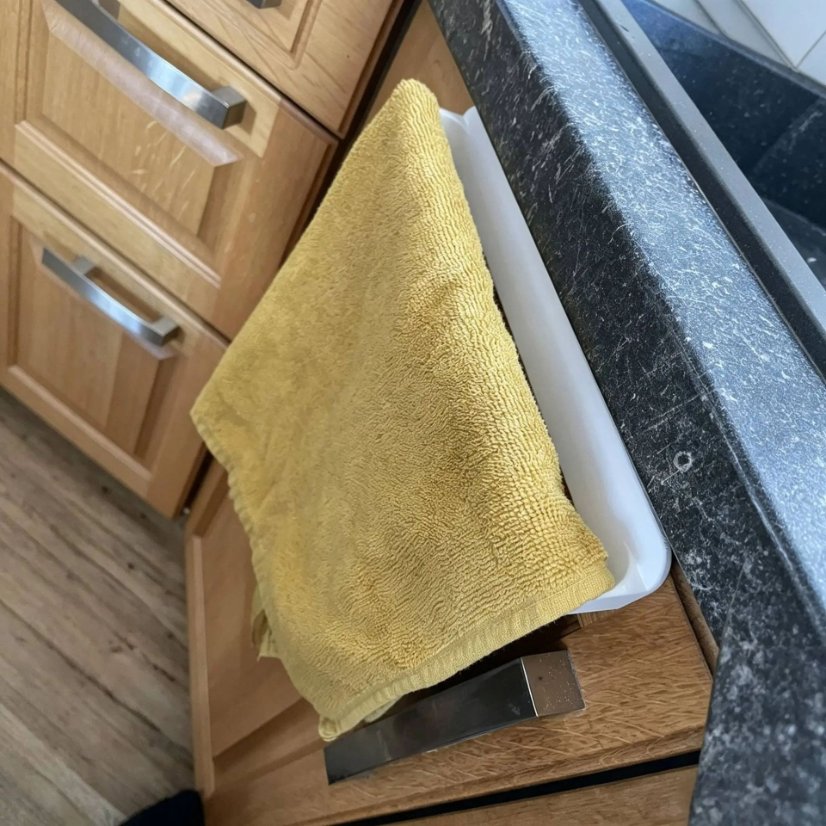
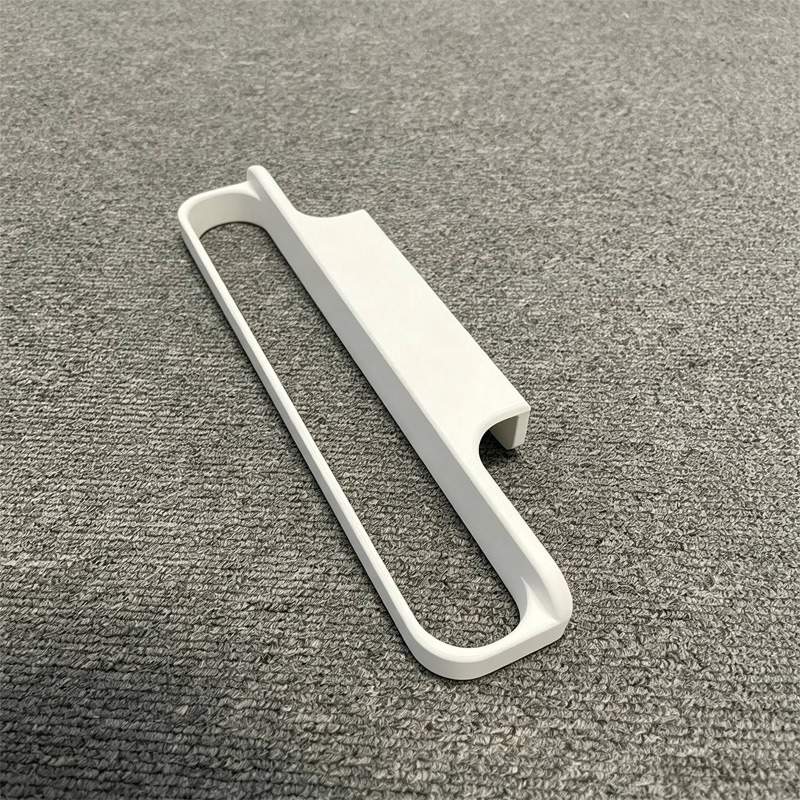
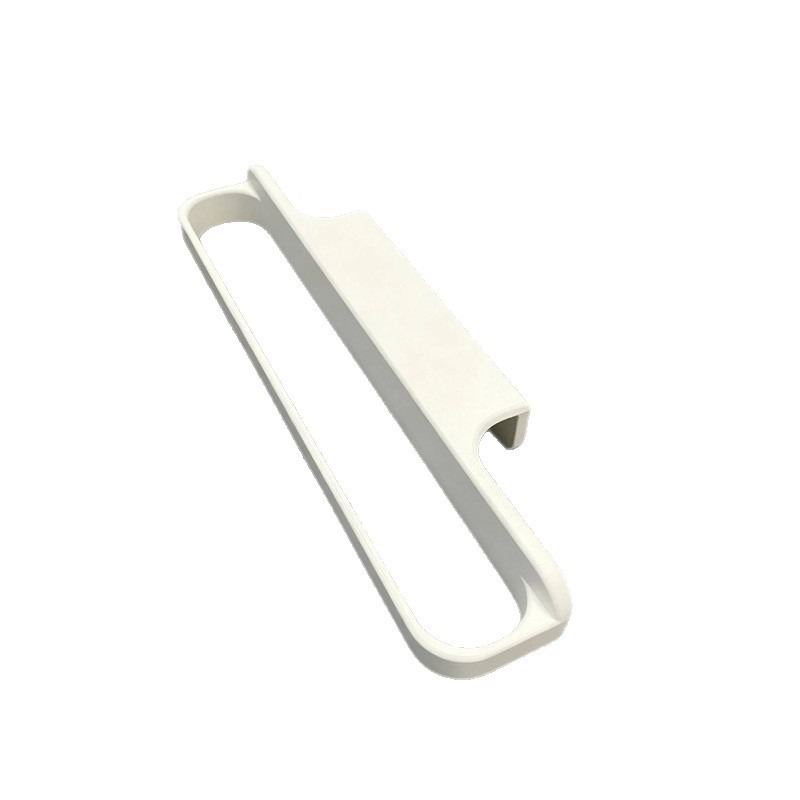
Dream Plastic shows a white towel rack beside a cabinet door, as well as an unobstructed loose-product view. These references make a practical wholesale enquiry possible. The key purchasing question is the exact door interface being proposed, not whether a general advertising phrase describes most cabinets.
Describe the intended cabinet context
Start from the Kitchen Cabinet Towel Rack reference. Identify the proposed model and explain the intended door arrangement. Provide relevant information about the application instead of asking the supplier to confirm a broad fits-all description without reference to an actual cabinet.
Keep the installed scene and the loose-product view beside the enquiry. The scene identifies a proposed context, while the loose view helps point to the hook-like portion and rail. Neither removes the need for an actual supplier response about the selected arrangement.
- Selected rack model and intended cabinet context.
- Named inner profile and clearance references.
- Included components and supply condition.
- Actual evidence and unresolved fit questions.
Name the hook profile and clearance references
Ask the supplier to mark the relevant inner profile, contact area and other required measuring points on a drawing. State which feature the question concerns. A product length or outer width cannot by itself describe the clearance at the part that interfaces with the door.
Where more than one dimension is relevant, keep separate fields rather than compressing them into one rack size. Request the applicable offered version and measurement definitions. This guide supplies no door-thickness range or tolerance and does not confirm a fit for an unexamined cabinet.
Provide a labelled section sketch or an identified reference sample for the proposed cabinet interface. Ask the supplier to state which part of that reference its reply addresses, so a dimensional answer cannot become detached from the particular application it describes.
| Question | Useful response | Insufficient shortcut |
|---|---|---|
| Door interface | Marked profile and reference points | Overall product length |
| Supplied arrangement | Model and included components | A kitchen styling scene |
| Movement context | Identified setup and relevant evidence | A static fits-most claim |
Separate the rack body from the complete arrangement
Ask how the proposed rack is supplied and whether any separate components are included. Identify the arrangement that a sample would represent. Do not infer accessories, protective pieces or assembly conditions solely because the catalogue image shows a rack positioned near a door.
The towel and cabinet in the scene are context rather than automatically included merchandise. State the requested supply clearly in the quotation. A complete arrangement description helps prevent a supplier response about the body alone from being mistaken for confirmation of every associated part or condition.
Request evidence for the intended movement context
If opening or closing the intended door is relevant to the purchasing review, describe that question and request appropriate model-specific evidence. Keep the actual cabinet or representative setup identified. A static photograph cannot demonstrate every position or establish that an obstruction will never occur.
Record the supplier response, relevant view and any sample observation in different fields. If a view is missing or a condition differs, leave the corresponding entry pending. Do not turn a narrow observation into a claim about universal compatibility or the load the rail can carry.
Clarify the proposal before comparing quotations
Retain the selected drawing revision and the exact model identity with the request. Ask the supplier to mark any alternative profile or arrangement it proposes. An apparently similar white product should not replace the original requirement without an explicit explanation of the affected fields.
Use the clarified interface record when requesting current price, quantity conditions and timing directly from the supplier. Keep any material, durability or carrying-performance requirement separate. The purpose here is a comparable door-interface proposal, not an installation instruction or an unsupported performance approval.
Frequently Asked Questions
Does rack length state the door fit?
No. Ask for the relevant inner profile and clearance definitions for the proposed interface.
Can the kitchen scene confirm door closing clearance?
No. Describe the intended movement context and request appropriate evidence for the actual setup.
Are the towel and cabinet part of the quoted supply?
Not by implication. Ask the supplier to name the actual supplied item and any included components explicitly.
Does an interface drawing prove carrying capacity?
No. It defines geometry and the proposal. Any required performance needs separate appropriate product-specific evidence.
Use the cabinet rack reference and send the proposed interface questions through Contact. Browse the blog for related supplier topics.