

Towel Holder RFQs: Define Units and Colour Lines

Write a towel holder RFQ with the individual product unit, selected colour references and quantities on explicit lines. Ask the supplier to confirm any proposed pack or assortment separately. Several holders arranged in a catalogue image do not establish a three-piece selling unit, current stock colours or included towels and other styling items.
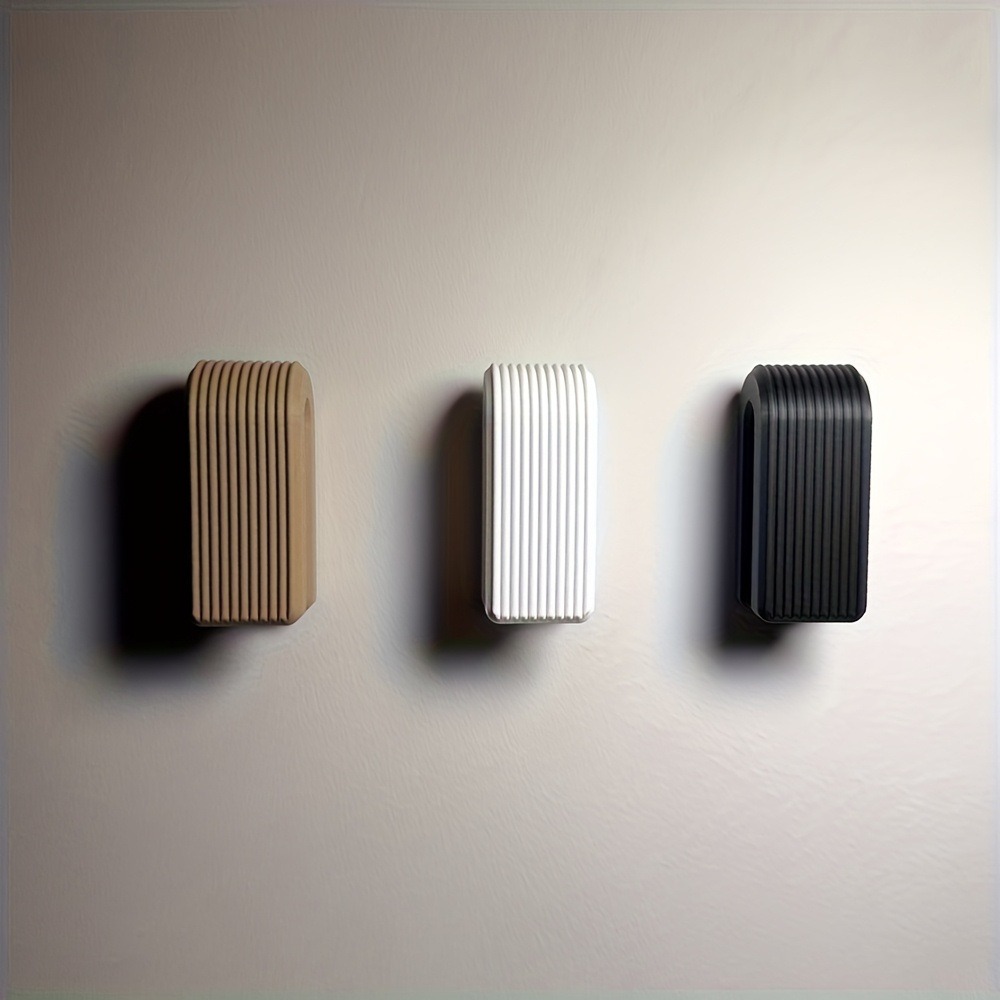
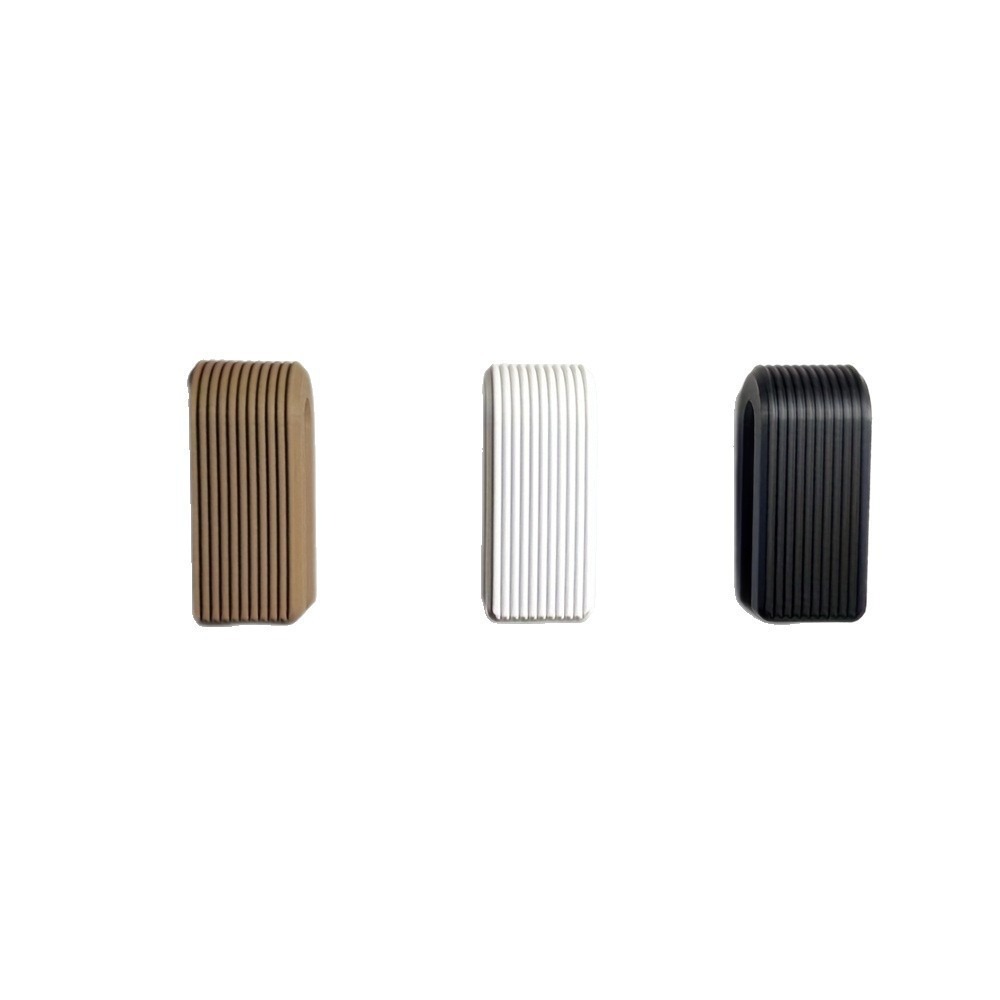
A home-accessory buyer can quickly recognise the brown, white and black holder references shown by Dream Plastic. A commercial order still needs more than a colour photograph. It needs a clear statement of what one quoted unit contains, how each selected appearance is identified and whether any packing proposal changes that counting basis.
Identify the product unit first
Use the ribbed holder catalogue reference and ask the supplier to identify the actual offered model. Describe whether the enquiry concerns an individual holder or another expressly requested configuration. A group photograph should not supply an unwritten commercial definition.
The images with several holders are useful appearance references. They are not proof that those holders are sold together. Keep a requested quantity tied to its named unit before comparing it with a supplier response expressed in packs, boxes or another counting level.
- Individual holder or another named unit.
- Selected appearance and line identifier.
- Quantity per colour line and proposed alternatives.
- Pack contents separated from styling props.
Assign a colour reference to each line
Identify the selected appearance with its reference image and a buyer line code. Ask the supplier to acknowledge the proposed colour for that version. Keep a colour description separate from a material or process claim; a brown-looking surface does not by itself establish a particular composition.
If quantities differ between selected colours, show those quantities separately. Do not collapse them into an unexplained mixed total. If an assortment is desired, define the intended members and ask whether that combination is offered rather than treating the catalogue arrangement as an available stock pack.
| Order field | Record clearly | Do not infer |
|---|---|---|
| Unit | Individual holder or defined configuration | A three-piece pack from a scene |
| Colour line | Selected reference and quantity | Current stock availability |
| Pack | Supplier-confirmed holder contents | Included towels or fixtures |
Keep availability and substitutions explicit
Request the supplier response for the actual selection instead of assuming every pictured colour is available for the proposed order. Record any offered alternative on its own line with the reason it needs review. A similar appearance should not silently replace the requested reference.
Ask which model or colour identifiers the supplier will use in its quotation and proposed packing. This creates a shared reference for receiving without claiming that a particular supplier labelling system already exists. An unresolved identity should remain visible rather than being treated as a confirmed order line.
Separate context from included merchandise
The styled bathroom scene includes a grey towel and surrounding fixtures. These illustrate context, not an offer of those items. Ask whether the holder is supplied alone and request a contents statement for any proposed associated components or packing.
For a quoted pack, distinguish the number of outer packs from the number of holders inside each. The schedule below records those fields without supplying a fictional pack count or a minimum order. A later packaging review should refer to the same accepted product and colour lines.
Reconcile one quotation basis before order acceptance
Keep requested and offered unit definitions side by side. Check that line quantities and any combined total refer to the same objects. Where the supplier uses another basis, ask for an explicit explanation tied to its stated pack contents rather than changing the original quantity without a record.
Retain the clarified schedule with the quotation revision and ask for current commercial terms for those exact lines. Quantity and appearance identity do not establish mounting suitability, grip, material grade or durability. Keep those separate requirements linked to the relevant product evidence without treating this commercial schedule as a complete sample approval.
Frequently Asked Questions
Does a three-holder image mean a three-piece pack?
No. Ask for the commercial unit and pack contents for the actual proposed offer.
Are pictured colours confirmed as currently available?
A catalogue image is not a stock statement. Request the supplier response for the selected order lines.
Should different colour quantities be combined?
Keep the colour lines clear and reconcile any combined total to them. Define an assortment explicitly if one is requested.
Does the schedule approve product performance?
No. It defines the quoted units, appearance references and contents. Keep mounting and other performance requirements in separate product-specific records.
Review the home-accessory catalogue and send the selected line schedule through Contact. The blog includes broader sourcing topics.