
Tape Cutter RFQs: Identify the Tape Roll
For a clip-on tape cutter enquiry, identify the actual tape roll to be matched, including its width, relevant roll dimensions and full or partly used condition. Ask the supplier to mark the matching interface and confirm the proposal for that reference. The cutter’s overall size is not a stated roll-fit range.
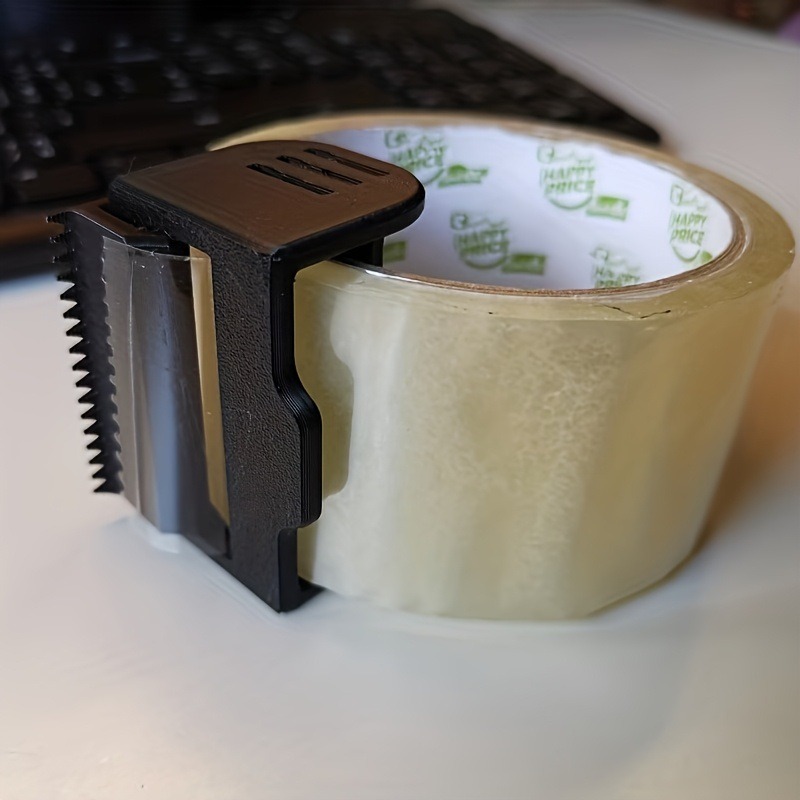
Official tape-cutter gallery reference showing the cutter and a tape roll. The photograph identifies one displayed arrangement, not a universal roll-fit range or a cutting-test result.
Make the roll part of the enquiry
Zaomeng Plastics lists a tape cutter described as a compact, clip-on product for wide duct-tape rolls. The page names PLA material, a product weight of 70 g, an overall size of 6 × 6 × 6 cm and bagged packaging. These supplier-published fields identify the proposed tool, but they do not state a numerical roll-fit range.
For a distributor buying wholesale household tools, the practical question is which tape roll the quoted cutter is intended to match. “Wide tape” or “standard roll” can leave the supplier and buyer imagining different items. Give the intended roll its own reference and ask for a response against that reference before planning a cutter-and-tape offer.
Describe the roll without using the cutter size
Identify the tape type and the roll being considered, then supply the relevant roll measurements with units and defined reference points. Roll width, outside diameter and the core opening describe different features. Ask the supplier which dimensions control the proposed interface instead of choosing one convenient measurement and calling it the tape size.
The listed 6 cm product dimensions describe the cutter’s overall size. They should not be entered as a confirmed maximum tape width or roll diameter. Likewise, a product photograph is not a scaled drawing. A marked roll view or dimensional sheet gives the supplier a clearer starting point for identifying the matching features.
Name the intended tape and buyer roll reference.
State the roll width and other requested dimensions separately.
Identify whether the reference is a full or partly used roll.
Ask the supplier to mark which features its answer covers.
Another gallery arrangement supplies an interface reference. Visible tape-core branding does not establish a supplier relationship, authorization or compatibility with every roll of that brand.
Include the roll condition in the question
A roll presented for comparison has a particular amount of tape remaining. If the buyer expects the cutter to be considered across more than one roll condition, identify those conditions in the enquiry. Do not let a response about a single full-roll photograph become an assumed answer for every later outside diameter.
Ask the supplier to describe the proposed matching range and how it relates to the identified roll. If only one reference has been reviewed, record that limited scope. A buyer comparing two tape products can provide separate roll rows rather than assuming that similar tape width means identical geometry at the cutter’s contact areas.
Build a roll-reference worksheet
Use this table to organize the enquiry. Its dimensions and evidence fields need actual supplier responses; the table supplies no fit limits. Keep the tape roll and cutter version together so the quotation does not answer a question about a different arrangement.
Enquiry field
Buyer provides
Supplier clarifies
Tape identity
Type, roll reference and selected view
Which proposed cutter addresses it
Roll geometry
Named dimensions and units
Relevant matching features and definitions
Roll condition
Full or identified partly used reference
Scope of the proposed matching response
Sample evidence
Requested cutter-and-roll reference
Actual arrangement represented by the evidence
A blue-roll gallery presentation shows why the intended tape must be identified in the enquiry. The image is not evidence that all tape types or partly used roll sizes are approved.
Keep gallery examples separate from fit evidence
The gallery shows the cutter with different tape-roll presentations, including clear and blue rolls. Use those images to locate the product and discuss the proposed interface. They do not establish that every tape construction, width or roll state is covered. Ask which displayed arrangement, if any, represents the supplier’s current response to the buyer’s intended tape.
A visible tape-core brand is also a reference detail rather than a compatibility statement. Identify the actual roll dimensions and proposal instead of relying on a familiar name. If the supplier suggests an alternative cutter or a different roll reference, preserve the change explicitly in the comparison.
Close the enquiry with a defined arrangement
Ask for product-specific evidence or an identified sample arrangement appropriate to the matching question. Record what the evidence represents and what remains unanswered. Keep a dimensional comparison distinct from any separate evaluation of retention or cutting behaviour. This article does not provide operating instructions or turn a catalogue scene into a completed use test.
Finally, state whether the request concerns the cutter alone or a proposed supply with tape, and ask the supplier to name what its quotation includes. A roll shown in the gallery is not automatically included merchandise. Retain the cutter version, intended roll record and supplier response together, and send open questions through the Zaomeng contact page.
Tape cutter roll-reference questions
Does 6 × 6 × 6 cm state the accepted tape size?
It is the listed product size. Ask for the relevant roll-interface dimensions and the scope of the supplier’s matching response separately.
Does one pictured roll confirm all partly used rolls?
No such range is given by the photograph. Identify the roll conditions the buyer needs considered and request an explicit response for them.
Is the pictured tape included with the cutter?
Confirm the quoted supply. Identify the cutter and any tape or other included item on separate clear lines before comparing offers.
Tape Cutter SourcingRoll ReferenceHousehold Tools