
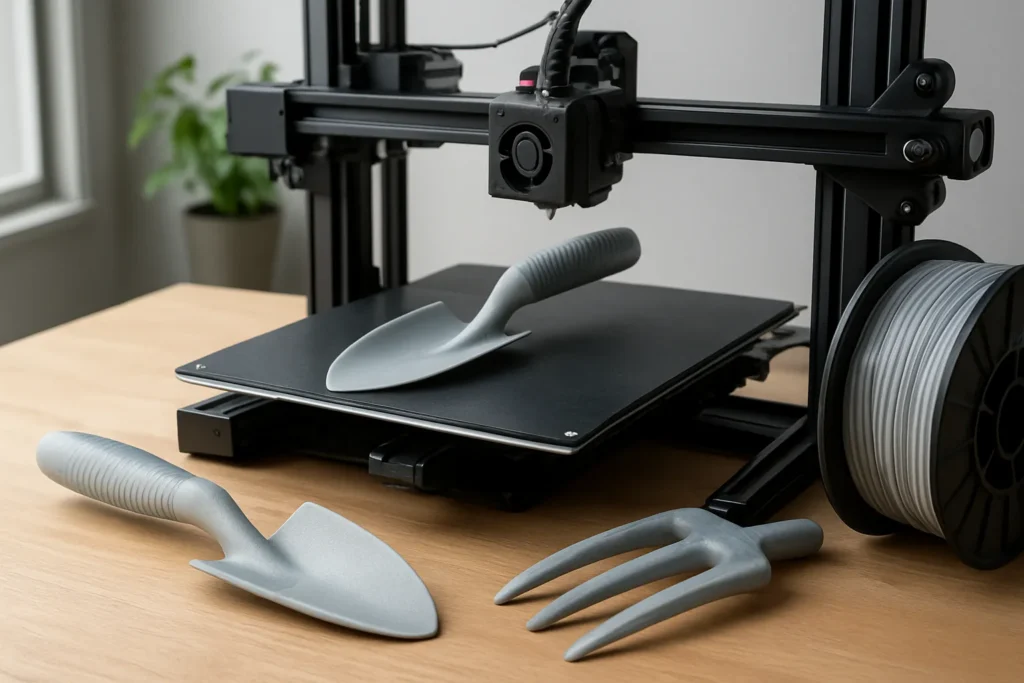
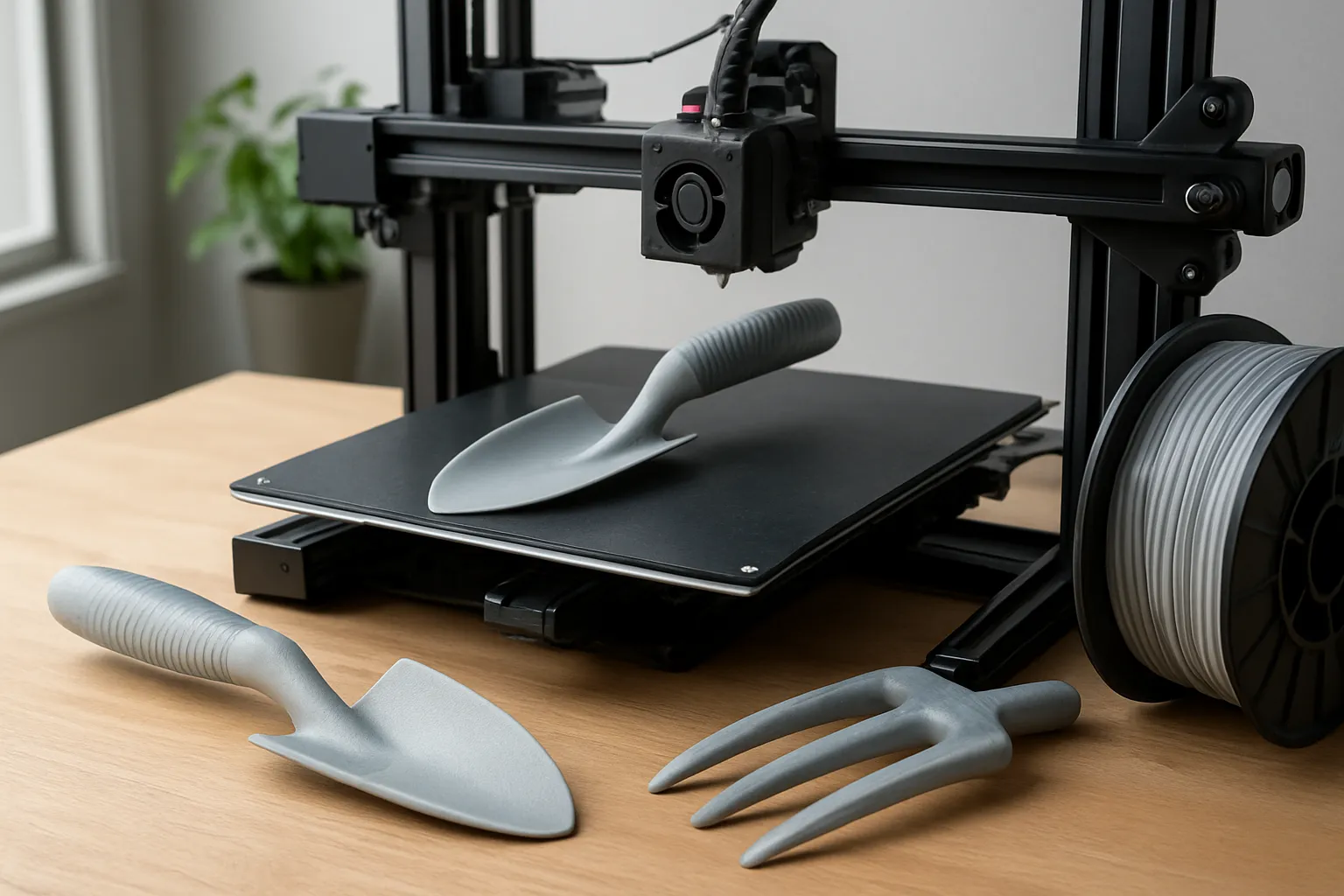
The evolution of manufacturing technology has significantly advanced with the rise of 3D printing. This innovative approach allows for unparalleled customization and efficiency, particularly in producing specialized products. One area where 3D printing is making a remarkable impact is in the creation of custom garden tools. As gardening continues to gain popularity, the demand for tools tailored to specific needs and preferences is on the rise. Customization in garden tools enhances the user experience and boosts productivity for landscaping professionals and home gardeners alike.
Specifications of 3D Printed Garden Tools
When discussing 3D printed garden tools, the choice of materials is crucial in determining their functionality and longevity. Various materials, such as PLA, ABS, and PETG, offer different benefits, from biodegradability to resistance against harsh weather conditions. This flexibility allows manufacturers to select the most suitable material based on the specific requirements of the tool.
Design flexibility is another significant advantage of 3D printing. Designers can create intricate shapes and customized sizes that traditional manufacturing methods cannot easily achieve. This precision ensures that each tool can be optimized for ergonomics and efficiency, catering to individual user preferences.
Durability is paramount when it comes to garden tools, and 3D printed options are no exception. With advancements in printing technology, these tools can withstand rigorous use and environmental challenges. Performance metrics, such as tensile strength and impact resistance, are comparable to those of traditionally manufactured tools. Thus, 3D printed garden tools are a reliable choice.
Use Cases for Custom Garden Tools
The versatility of 3D printing opens up a world of possibilities for custom garden tools. Landscaping businesses can benefit significantly from tailored solutions that meet specific project requirements. For example, a company may need tools designed for unique plant types or specific soil conditions. This allows for greater efficiency and effectiveness in their work.
Home gardening enthusiasts are also reaping the benefits of custom garden tools. With 3D printing, they can design tools that fit their unique gardening styles or physical needs. For instance, a gardener with limited mobility can create ergonomic tools that provide a better grip and reduce strain.
Several case studies highlight the successful implementation of 3D printed garden tools. From startups developing niche products to established companies enhancing their product lines, the results demonstrate the potential of this technology to transform the gardening industry.
Comparison with Traditional Manufacturing
When evaluating the cost of 3D printing versus traditional manufacturing methods, it becomes clear that 3D printing can be more economical, especially for small production runs. Traditional manufacturing often involves higher setup costs and longer lead times, making it less feasible for customized products. In contrast, 3D printing allows for on-demand production, significantly reducing waste and inventory costs.
Time efficiency is another critical factor. 3D printing can drastically reduce the time from design to production, enabling businesses to respond quickly to market demands. This agility is particularly valuable in the fast-paced gardening industry, where trends can change rapidly.
Quality control is a vital consideration for any manufacturing process. While traditional methods have established quality assurance protocols, 3D printing technology is evolving with similar standards. Advanced printing techniques and materials ensure that the quality of 3D printed garden tools meets or exceeds that of their traditionally manufactured counterparts.
Sourcing 3D Printed Garden Tools
For businesses looking to incorporate 3D printed garden tools into their offerings, sourcing reliable suppliers is essential. Identifying manufacturers with a proven track record in 3D printing can save time and resources. Evaluating production capabilities is also crucial; businesses should look for suppliers that can handle the specific materials and designs required for their tools.
Understanding lead times and pricing models is equally important. 3D printing can offer competitive pricing, but businesses should ensure they have a clear understanding of the cost structure, including any potential fluctuations based on material choices or design complexity.
Implementation Strategies
Integrating 3D printing into existing operations requires careful planning. Businesses should assess their current workflows and identify areas where 3D printing can enhance efficiency. This may involve investing in new equipment or software tailored for 3D design and printing.
Training staff on 3D printing technologies is a vital step in ensuring successful implementation. Employees should be equipped with the necessary skills to design, operate, and maintain 3D printers, enabling them to leverage this technology fully.
Managing supply chain adjustments is also crucial. As businesses transition to 3D printing, they may need to reevaluate their supplier relationships and inventory management practices to accommodate the new production methods.
FAQs about 3D Printing and Garden Tools
Common misconceptions about 3D printing often revolve around quality and safety. Many people assume that 3D printed products are inferior; however, advancements in technology have led to high-quality outputs that meet rigorous standards. Addressing concerns about safety, particularly regarding materials used, is also essential. Many 3D printing materials are safe for outdoor use and do not pose risks to users.
Looking ahead, future trends in 3D printing for garden tools indicate a growing emphasis on sustainability and eco-friendly materials. As environmental consciousness rises, the demand for biodegradable and recyclable materials in 3D printing will likely increase.
Conclusion
In conclusion, 3D printing is revolutionizing the production of custom garden tools, offering significant benefits for both businesses and consumers. From enhanced customization and design flexibility to cost-effectiveness and efficiency, the advantages are compelling. As the gardening industry continues to evolve, businesses that embrace 3D printing will not only meet the demands of their customers but also stay ahead of the competition. For B2B buyers looking to innovate their product lines, exploring 3D printed garden tools is a strategic move that promises a fruitful return on investment.