
The Benefits of Injection Molding for Quality Pet Supplies
Injection molding is a manufacturing process that involves injecting molten material into a mold to create specific shapes. This technique is prevalent across various industries, including automotive, consumer goods, and notably, pet supplies. The pet supplies market has experienced significant growth, driven by the increasing number of pet owners and the rising demand for high-quality products. Pet owners are now more selective than ever, seeking durable, safe, and innovative items for their furry friends. Consequently, manufacturers are increasingly turning to injection molding to meet these demands efficiently and effectively.
Benefits of Injection Molding in Pet Supplies
Cost-Effectiveness
One of the standout benefits of injection molding is its cost-effectiveness, particularly for large production runs. While the initial setup costs, including mold creation, can be substantial, the per-unit cost significantly decreases as production volume increases. This makes injection molding an appealing option for businesses looking to produce high-quality pet supplies without incurring prohibitive costs.
Design Flexibility
Injection molding provides remarkable design flexibility, allowing manufacturers to produce intricate shapes and complex designs that may be challenging to achieve with other methods. This flexibility enables the creation of unique pet products tailored to specific needs, such as ergonomic pet toys or specialized feeding equipment. The customization options are virtually limitless, empowering businesses to differentiate their offerings in a competitive market. Explore our range of products to see how injection molding can enhance your offerings.
Material Variety
The injection molding process can accommodate a wide range of materials, including various plastics and composites. This diversity allows manufacturers to select materials that best suit the intended use of the pet supplies, whether it’s for durability, flexibility, or safety. For example, pet toys can be crafted from softer materials for safety, while feeding bowls may require more rigid materials to withstand wear and tear.
Quality Inspection in Injection Molding
Importance of Quality Control
Quality control is crucial in the injection molding process, especially when producing pet supplies that must meet stringent safety and durability standards. Ensuring consistent quality helps manufacturers maintain their reputation and meet customer expectations. Learn more about our quality assurance processes.
Common Quality Inspection Techniques
Various quality inspection techniques are implemented during the injection molding process, including visual inspection, dimensional checks, and performance testing. These methods help identify defects early in the production cycle, reducing waste and ensuring that only high-quality products reach the market.
Ensuring Compliance with Standards
In the pet supplies industry, compliance with safety standards is paramount. Manufacturers must adhere to regulations set by organizations such as the American Society for Testing and Materials (ASTM) and the Consumer Product Safety Commission (CPSC). Implementing rigorous quality inspection protocols guarantees that products not only meet these standards but also provide safety and reliability for pets and their owners. For more detailed information, refer to this technical reference on injection molding.
Use Cases of Injection Molding in Pet Supplies
Types of Pet Products Manufactured
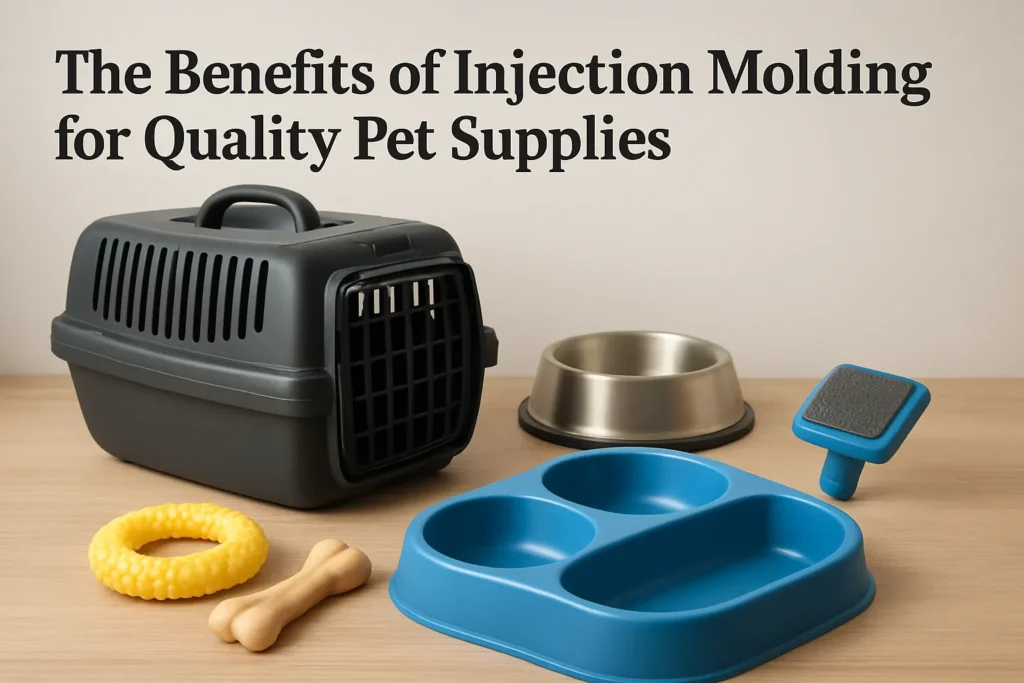
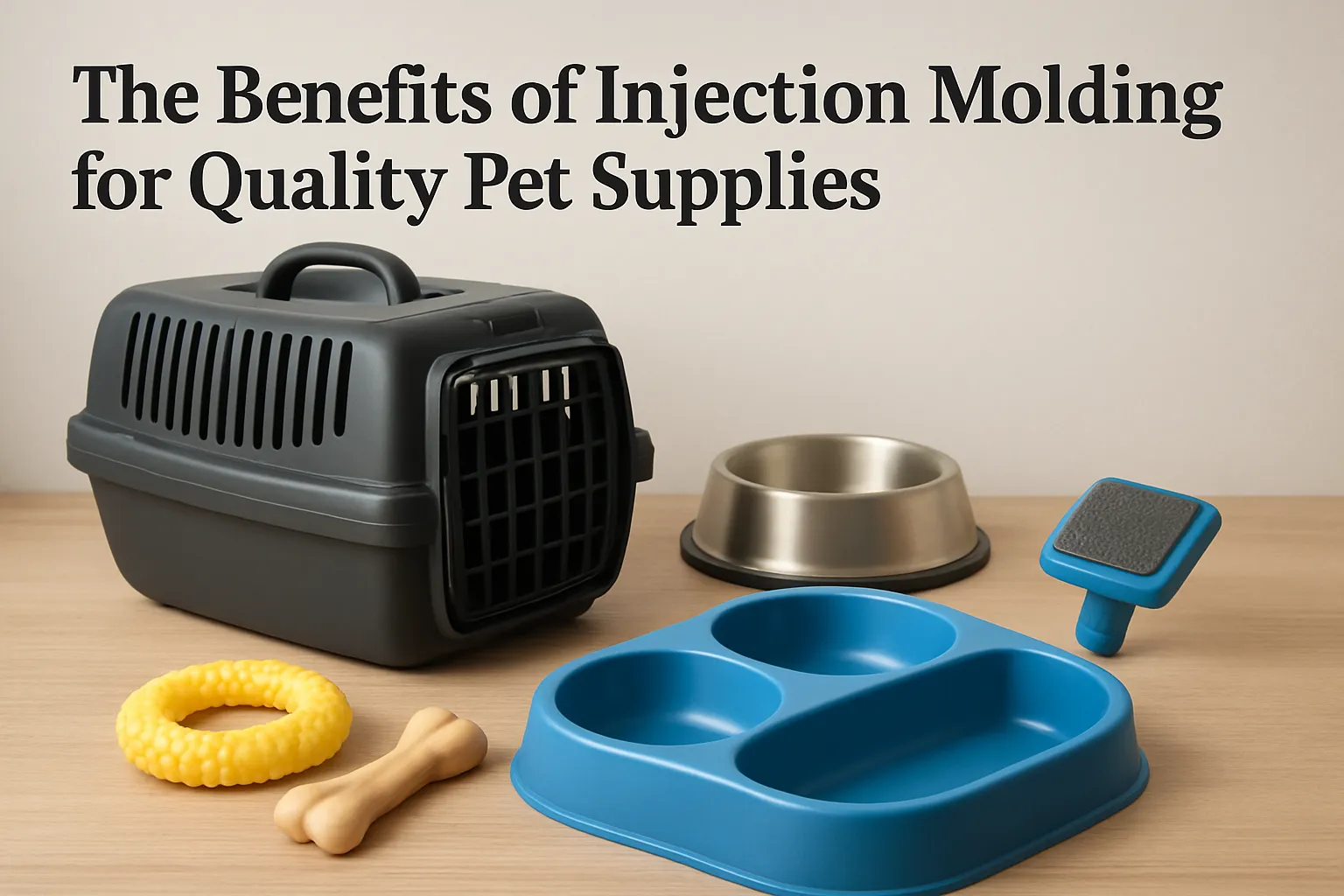
Injection molding is utilized to produce a wide array of pet products, including toys, grooming tools, feeding dishes, and carriers. Each of these products benefits from the precision and efficiency inherent in the injection molding process.
Customization Opportunities
Manufacturers can leverage injection molding to create customized products tailored to specific breeds or pet sizes. For instance, pet carriers can be designed with varying dimensions and features, accommodating both small and large pets comfortably.
Case Studies of Successful Implementations
Numerous companies have successfully integrated injection molding into their production processes. For example, a leading pet toy manufacturer utilized injection molding to create a line of durable, interactive toys that withstand aggressive play. By focusing on quality and design, they increased their market share and customer satisfaction.
Comparing Injection Molding with Other Manufacturing Processes
Injection Molding vs. Blow Molding
While both injection molding and blow molding are employed to create plastic products, they serve different purposes. Injection molding is ideal for solid items with precise dimensions, whereas blow molding is typically reserved for hollow products like bottles. In the realm of pet supplies, injection molding is often preferred due to its versatility and attention to detail.
Injection Molding vs. 3D Printing
3D printing offers rapid prototyping capabilities but may not be cost-effective for large-scale production. Injection molding excels in producing high volumes of consistent, high-quality products. For pet supplies requiring mass production, injection molding is frequently the superior choice.
Pros and Cons of Each Method
Injection molding provides high efficiency, precision, and material variety, making it suitable for many applications. However, it necessitates a significant upfront investment in molds. Conversely, 3D printing offers flexibility and lower initial costs but often lacks the speed and scalability of injection molding.
Sourcing Injection Molding Services
Finding Reliable Manufacturers
When sourcing injection molding services, it’s vital to find manufacturers with a proven track record in producing pet supplies. Researching potential partners, checking their certifications, and reviewing customer testimonials can help ensure reliability.
Evaluating Supplier Capabilities
Assessing a supplier’s capabilities involves understanding their technology, material options, and quality control processes. A competent manufacturer should be able to demonstrate their ability to meet specific production needs while adhering to industry standards.
Cost Considerations
While evaluating cost, consider not only the price per unit but also the total cost of ownership, including setup, maintenance, and potential rework costs. A comprehensive cost analysis will assist in making informed decisions.
Implementing Injection Molding in Your Business
Steps to Integrate Injection Molding
Integrating injection molding into your business involves several steps, including selecting the right manufacturer, designing molds, and establishing quality control processes. Collaborating with experienced professionals can streamline this transition.
Potential Challenges and Solutions
Common challenges include high initial costs and the complexity of mold design. Solutions may involve phased investments and working closely with manufacturers to optimize designs for cost efficiency.
Timeline for Implementation
The timeline for implementing injection molding can vary based on project scope, but businesses should expect several months from initial design to production readiness. Planning ahead is essential to align with market demands.
Frequently Asked Questions (FAQs)
What is the typical lead time for injection molded products?
Lead times can vary significantly based on the complexity of the mold and production volume but typically range from a few weeks to several months.
How does injection molding affect product durability?
Injection molding generally enhances product durability due to the precise control over material properties and the ability to create robust designs.
What are the environmental considerations?
While injection molding can generate waste through excess material, advancements in recycling and material technology are helping to mitigate environmental impacts. Manufacturers are increasingly adopting sustainable practices to reduce their carbon footprint.
Conclusion
Injection molding offers numerous advantages for manufacturers in the pet supplies industry, from cost-effectiveness and design flexibility to rigorous quality inspection processes. By understanding the benefits and implementation strategies, businesses can leverage this technology to produce high-quality, innovative pet products that meet the evolving needs of pet owners. As the pet supplies market continues to expand, embracing injection molding will be crucial for companies aiming to remain competitive and deliver exceptional value.