
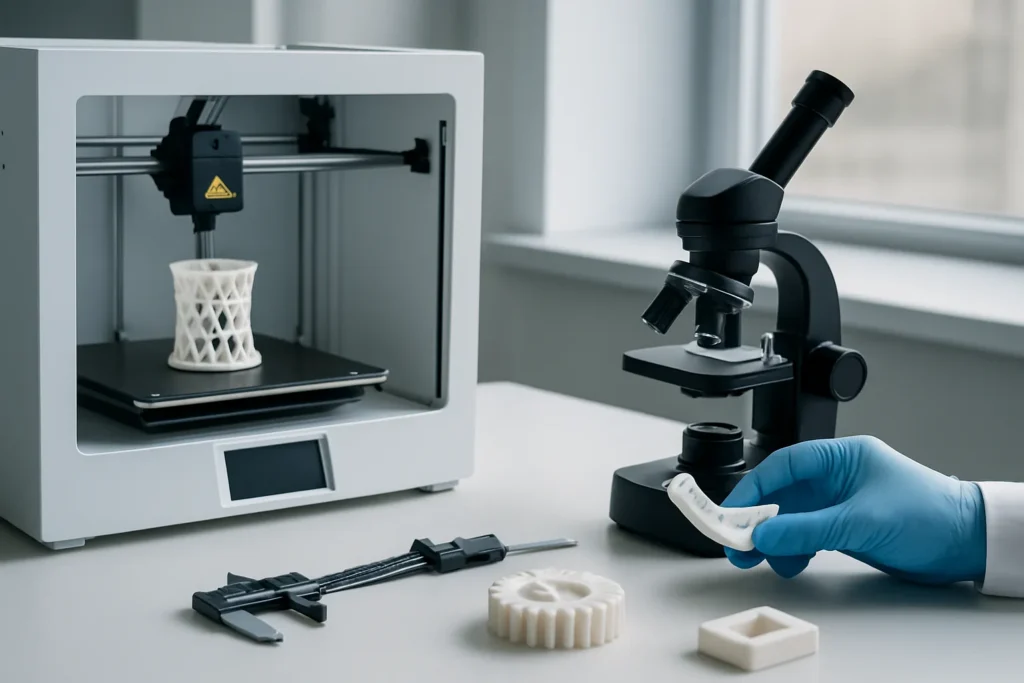
Maximizing 3D Printing Efficiency: Quality Inspection’s Importance
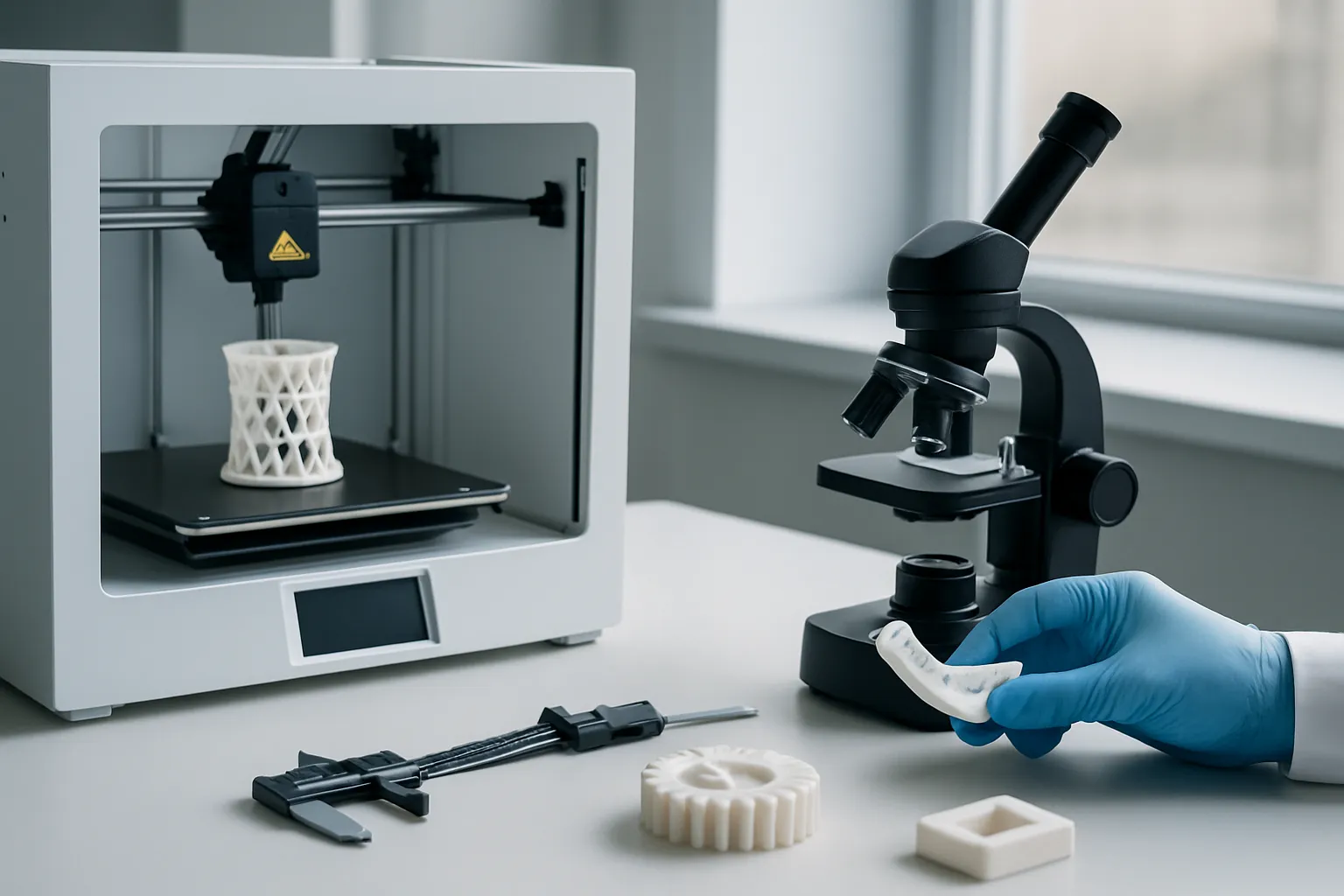
1. Introduction to Quality Inspection in 3D Printing
In the fast-paced world of manufacturing, quality inspection has become a crucial element in safeguarding the integrity and reliability of products produced through 3D printing. As more businesses turn to additive manufacturing for its flexibility and efficiency, the need for robust quality inspection processes is essential. Quality inspection not only verifies product specifications but also enhances operational efficiency, reduces waste, and ensures compliance with industry standards.
3D printing technologies, such as Fused Deposition Modeling (FDM), Stereolithography (SLA), and Selective Laser Sintering (SLS), have revolutionized product design and manufacturing. Each technology presents distinct challenges and opportunities, making it vital for businesses to establish comprehensive quality inspection protocols tailored to their specific processes.
2. Specifications for Quality Inspection
To effectively manage quality in 3D printing, businesses must define key quality metrics that align with their production goals. Common metrics include dimensional accuracy, surface finish, mechanical properties, and material consistency. By setting clear specifications, manufacturers can benchmark their products against industry standards, ensuring they meet or exceed customer expectations.
Compliance with industry standards, such as ISO 9001 and ASTM F42, is essential for maintaining product quality and safety. These standards provide guidelines for quality management systems and materials used in 3D printing. Adhering to these regulations not only boosts product credibility but also opens doors for bulk purchase opportunities, as many clients require compliance documentation for large-scale orders.
3. Use Cases of Quality Inspection in 3D Printing
Quality inspection is critical across various sectors, notably in aerospace, automotive, and medical device manufacturing. In the aerospace industry, where safety is paramount, stringent quality inspection processes are necessary to ensure that components adhere to rigorous performance standards. Similarly, the automotive sector relies on quality inspection to guarantee that parts are produced with the precision required for optimal vehicle performance.
In medical device manufacturing, where the stakes are incredibly high, quality inspection is vital to ensure that products are safe for patient use. Regulatory bodies mandate thorough inspections to verify that devices function as intended and comply with health regulations. This focus on quality not only protects patients but also enhances manufacturers’ reputations, paving the way for future business opportunities.
4. Comparing Quality Inspection Methods
The choice of quality inspection methods can significantly influence manufacturing efficiency. Traditional inspection methods, such as manual measurements and visual checks, tend to be time-consuming and susceptible to human error. In contrast, automated inspection techniques, including 3D scanning and machine vision systems, offer faster and more accurate assessments, enabling real-time quality control.
Moreover, manufacturers must decide between in-line and off-line inspection techniques. In-line inspection occurs during production, allowing for immediate feedback and corrections, while off-line inspection is conducted post-production, which can result in delays if defects are discovered. Each method has its pros and cons, and the choice will depend on the specific requirements of the production environment.
5. Sourcing Quality Inspection Solutions
When sourcing quality inspection solutions, businesses should prioritize selecting the right inspection tools that align with their manufacturing processes. This may include specialized software for data analysis, advanced measurement devices, or automated inspection machinery. Evaluating vendors for bulk purchases is equally important; manufacturers should consider factors such as reliability, support services, and the ability to customize solutions to meet specific needs.
Establishing partnerships with reputable vendors can lead to better pricing structures and improved support, which is particularly beneficial for companies looking to scale their operations efficiently.
6. Implementing Quality Inspection Processes
Integrating quality inspection processes into production requires careful planning and execution. Businesses should outline clear steps for implementation, starting with defining quality objectives, selecting appropriate inspection tools, and developing standard operating procedures.
Training and skill development for staff is also crucial. Employees should be equipped with the knowledge and skills necessary to effectively utilize inspection tools and interpret results. Continuous education and training programs can foster a culture of quality within the organization, ensuring that all team members understand the importance of quality inspection.
7. Common Challenges and Solutions
Despite the numerous benefits, businesses often encounter challenges when implementing quality inspection processes. One common issue is addressing inspection failures, which can stem from equipment malfunctions or human error. Establishing a robust feedback loop and a continuous improvement strategy can help identify and rectify these failures swiftly.
Another challenge is overcoming resistance to change within the organization. Employees may be hesitant to adopt new technologies or processes. To combat this, it’s essential to communicate the benefits of quality inspection and involve staff in the implementation process, fostering a sense of ownership and accountability.
8. Frequently Asked Questions
What are the costs associated with quality inspection?
The costs of quality inspection can vary widely based on the methods employed, the technology used, and the scale of production. However, investing in quality inspection can lead to significant cost savings in the long run by reducing waste and minimizing defects.
How does quality inspection impact production timelines?
While implementing quality inspection may initially extend production timelines due to the added steps in the process, it ultimately leads to more efficient operations. By identifying defects early, businesses can avoid costly rework and delays, ensuring a smoother production flow.
Conclusion
In conclusion, quality inspection is a critical element in maximizing efficiency within the 3D printing industry. By establishing clear specifications, leveraging advanced inspection methods, and fostering a culture of quality, businesses can enhance their production processes, ensure compliance, and ultimately drive growth. As the demand for 3D printed products continues to rise, investing in quality inspection will be key to maintaining a competitive edge in the market.