
Sourcing Raw Materials for Custom Sizes in Injection Molding
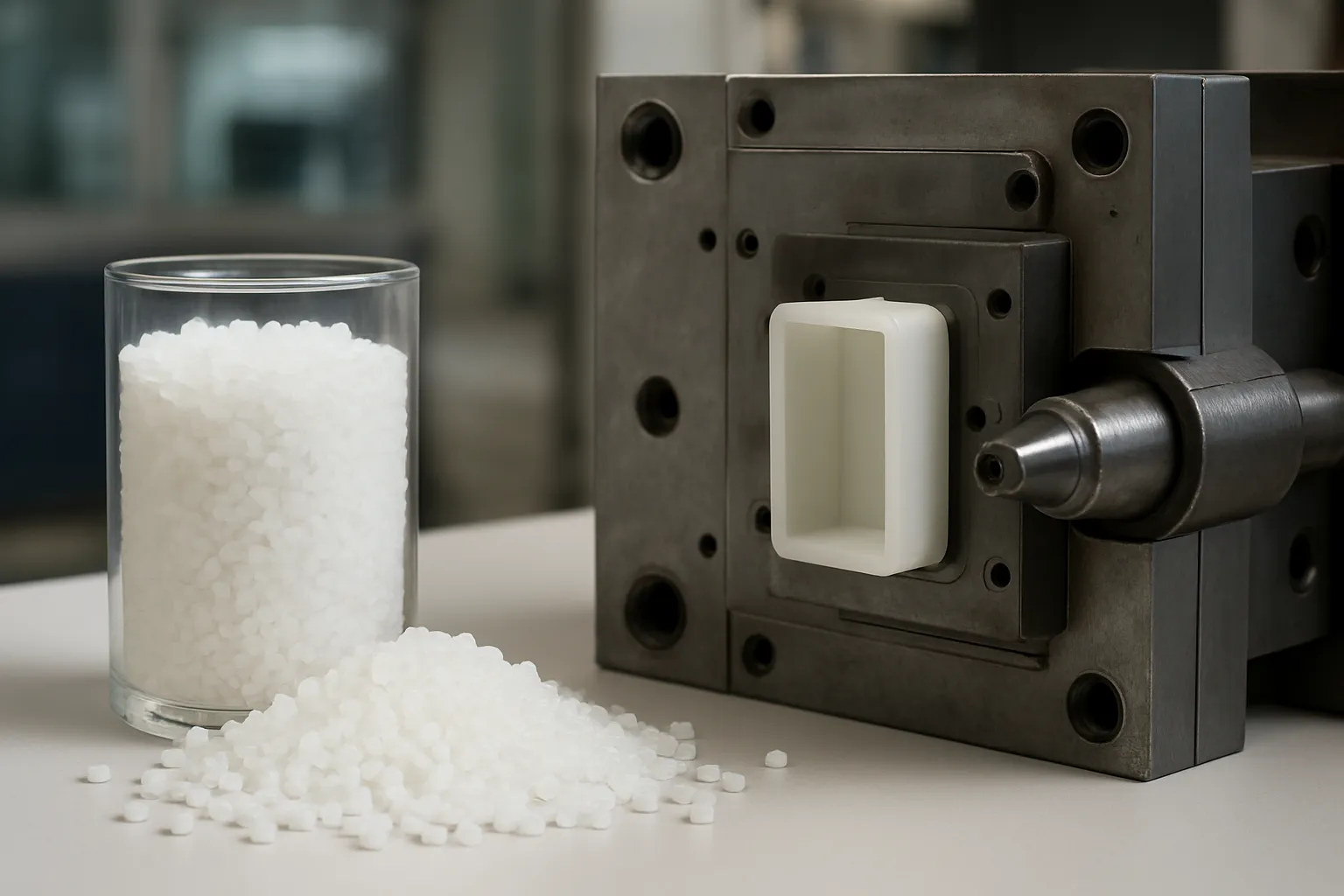
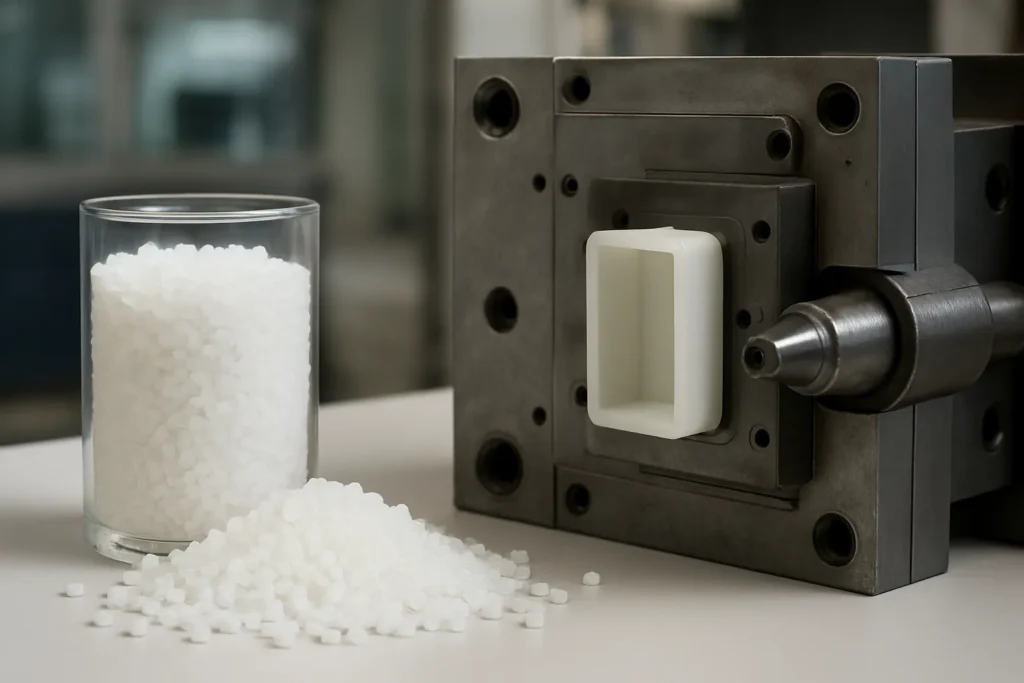
Injection molding is a widely used manufacturing process that enables the production of intricate shapes with remarkable precision and efficiency. In my experience, this technique, which involves injecting molten material into a mold to cool and solidify, is critical in various industries. The role of raw materials within this process is paramount, as they significantly impact the quality and durability of the final product. Understanding how to source the right materials, especially for custom sizes, is essential for manufacturers seeking to meet specific client demands and industry standards. In injection molding, a variety of raw materials are utilized, including thermoplastics, thermosetting plastics, and elastomers. Thermoplastics, such as polypropylene and polycarbonate, are favored for their versatility and recyclability. On the other hand, thermosetting plastics like epoxy and phenolic resins are recognized for their heat resistance and structural integrity. Elastomers, which include rubber-like materials, offer flexibility and resilience. Each material type has distinct characteristics that make them suitable for various applications.
Understanding Raw Materials
Types of Raw Materials Used
When sourcing materials for custom sizes, it’s crucial to consider properties such as tensile strength, impact resistance, and thermal stability. These characteristics determine the material’s performance under different conditions and its applicability for specific uses. Moreover, maintaining dimensional accuracy during the molding process is essential to ensure that custom-sized products meet the required specifications. The first step in sourcing raw materials for injection molding involves identifying trustworthy suppliers. This can be accomplished through extensive industry research, networking, and attending trade shows. Building relationships with suppliers known for providing high-quality materials is vital. It’s also advantageous to consider suppliers who offer a variety of materials, as this can simplify the sourcing of custom sizes. For more information on supplier strategies, check our Supplier Strategies article.
Evaluating Material Quality and Specifications
Once potential suppliers are identified, assessing the quality of their materials and ensuring they meet specific technical specifications becomes critical. This may involve requesting samples, reviewing certifications, and conducting tests to evaluate the material’s properties. Ensuring compliance with industry standards is essential to mitigate risks associated with production and product performance. For further details, see our Material Quality guide.
Custom Sizes in Injection Molding
Importance of Custom Sizes
Custom sizes in injection molding are vital for addressing the unique needs of various industries. Many applications require specific dimensions that standard products cannot satisfy. By offering custom sizes, manufacturers can target niche markets and provide tailored solutions, ultimately enhancing customer satisfaction and securing a competitive edge.
Challenges in Sourcing Custom Sizes
Sourcing raw materials for custom sizes presents several challenges. A primary concern is the limited availability of certain materials in specific dimensions or grades. Additionally, custom orders often entail longer lead times and higher costs, which can affect production schedules. Manufacturers must navigate these hurdles by fostering strong relationships with suppliers and adopting proactive sourcing strategies.
Use Cases for Custom Sized Injection Molded Products
Industry Applications
Custom-sized injection molded products are utilized across various sectors, including automotive, consumer electronics, medical devices, and packaging. In the automotive industry, custom components are essential for achieving lightweight designs that enhance fuel efficiency. Similarly, in consumer electronics, precise custom sizes are critical for protective cases and housings.
Case Studies of Successful Implementations
Several companies have successfully implemented custom-sized injection molded products to meet specific industry needs. For example, a medical device manufacturer developed custom-sized components for a unique drug delivery system, significantly enhancing patient outcomes. Another notable instance involves an automotive parts supplier that created custom-sized parts to reduce weight and improve performance, resulting in increased sales and market share.
Comparing Raw Material Options
Cost vs. Quality Considerations
When selecting raw materials, manufacturers must find a balance between cost and quality. While opting for cheaper materials may lower initial expenses, it can lead to higher long-term costs due to increased failure rates or diminished performance. Conducting a comprehensive cost-benefit analysis is essential to identify the most suitable materials for custom sizes in injection molding.
Performance Metrics for Different Materials
Different raw materials exhibit varying performance metrics, including tensile strength, elongation, and heat resistance. Comparing these metrics enables manufacturers to select the most appropriate materials for their specific applications. For instance, while polycarbonate may carry a higher price tag than polypropylene, its superior impact resistance might justify the additional cost for certain products.
Implementation of Sourced Materials
Steps to Integrate Raw Materials into Production
Integrating sourced raw materials into production involves several steps, including testing for compatibility with existing processes, adjusting machinery settings, and training staff on handling new materials. A well-structured implementation plan can streamline this process and minimize disruptions to production.
Quality Control Measures
Quality control measures are essential to ensure that the sourced raw materials meet specified requirements. Regular inspections, material testing, and adherence to quality standards can help maintain product integrity and performance. Establishing a robust quality assurance program will enhance overall production efficiency and reliability.
Frequently Asked Questions
Common Concerns About Sourcing
Manufacturers often express concerns about sourcing raw materials, including availability, cost fluctuations, and supplier reliability. Addressing these concerns through strategic planning and engaging with suppliers can help mitigate risks and enhance sourcing effectiveness.
Tips for Effective Procurement
To ensure effective procurement of raw materials for custom sizes, manufacturers should establish clear specifications, maintain open communication with suppliers, and continuously monitor market trends. Additionally, building a diverse supplier network can provide flexibility and reduce dependency on single sources.
Conclusion
In conclusion, sourcing raw materials for custom sizes in injection molding is a complex yet vital aspect of manufacturing. By understanding the types of raw materials available, implementing effective sourcing strategies, and addressing the challenges associated with custom sizes, manufacturers can enhance their production capabilities and meet the evolving demands of their industries. Investing time and resources into sourcing high-quality materials will ultimately lead to improved product performance and customer satisfaction.